Posted on

Film Deal With Imaginarium For Catriona Ward’s Novel The Last House On Needless Street

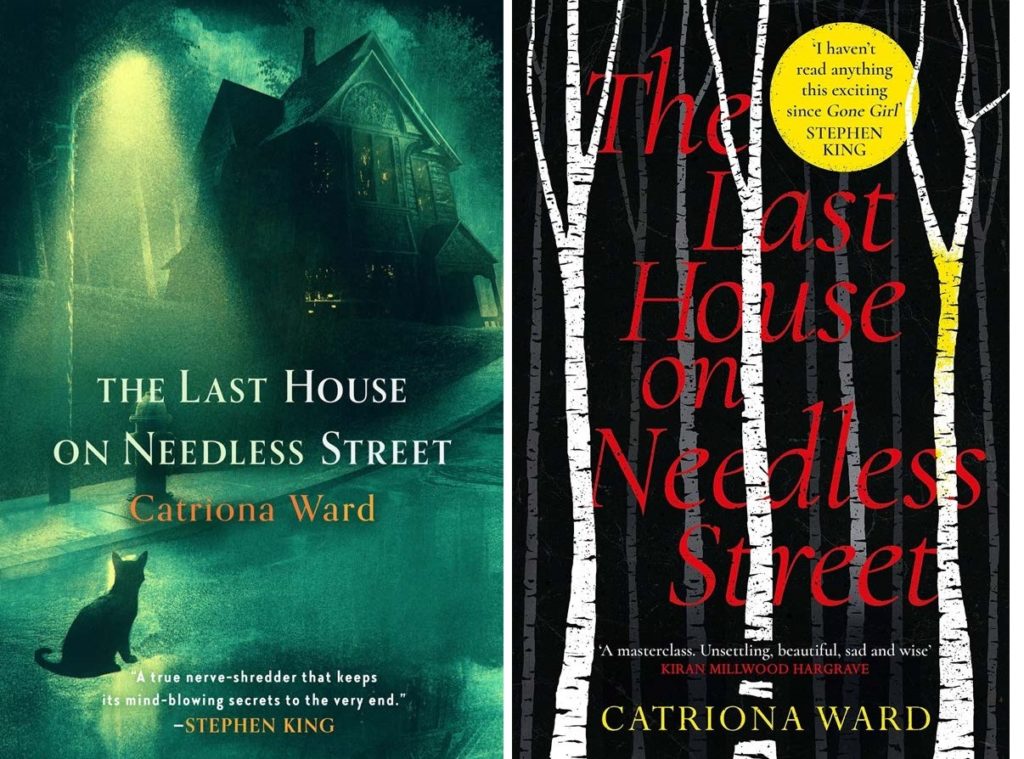
We’re delighted to share that Andy Serkis and Jonathan Cavendish’s Imaginarium Productions have optioned film rights to Catriona Ward’s highly anticipated new novel, The Last House On Needless Street.

We will be publishing in the UK on 18th March 2021 and Tor Nightfire will publish in the US in late September. Ward will executive produce alongside the Imaginarium. The book is Ward’s third novel, following her gothic horror debut, Rawblood (2015) and Little Eve (2018), which both won the August Derleth Prize at the British Fantasy Awards, making Ward the first and only woman to win the prize twice.

Little Eve also won the 2019 Shirley Jackson Award, establishing Ward as the new face of literary dark fiction. The Last House On Needless Street follows Ted, who lives with his daughter Lauren and his cat Olivia in an ordinary house at the end of an ordinary street. But an unspeakable secret binds them together, and when a new neighbor moves in next door, what is buried out among the birch trees behind their house will come back to haunt them all.

The book is receiving rave reviews and counts Stephen King amongst its fans: “I’ve read it and was blown away. It’s a true nerve shredder that keeps its mind-blowing secrets to the very end. Haven’t read anything this exciting since Gone Girl”.

Catriona Ward has been thrilled with the news, sharing: “From the very first, I was bowled over by the Imaginarium team – their passion, their dedication and thoughtful approach to this book. I know that ‘The Last House on Needless Street‘ is in the best possible hands, and I can’t wait to start working with them to bring the mysterious world of Needless Street to life on film”.

In a statement from Andy Serkis: “This is the kind of book you come across once in a lifetime and I’m incredibly excited that Catriona has chosen to collaborate with Imaginarium to bring her spectacular novel to the screen”.

The deal was negotiated by Michael Dean at Andrew Nurnberg Associates. Imaginarium Productions recently wrapped production on the supernatural horror No One Gets Out Alive for Netflix and are in post-production on Taika Waititi’s Next Goal Wins for Searchlight.

@imaginariumproductions
www.imaginariumuk.com

Posted on

Torrey Peters on the Women’s Prize 2021 Longlist

We couldn’t be more thrilled that Torrey Peters’ DETRANSITION, BABY has been longlisted for the Women’s Prize for Fiction 2021!

The Women’s Prize for Fiction – one of the biggest annual, international celebrations of women’s creativity – today announces the 2021 longlist. Now in its 26th year, the Prize shines a spotlight on outstanding, ambitious, original fiction written in English by women from anywhere in the world.


ABOUT THE BOOK

‘Irresistible … Detransition, Baby is the first great trans realist novel‘ Grace Lavery, Guardian
‘A voraciously knowing, compulsively readable novel’ Chris Kraus
‘Tremendously funny and sexy as hell’ Juliet Jacques

Reese nearly had it all: a loving relationship with Amy, an apartment in New York, a job she didn’t hate. She’d scraped together a life previous generations of trans women could only dream of; the only thing missing was a child. Then everything fell apart and three years on Reese is still in self-destruct mode, avoiding her loneliness by sleeping with married men.

When her ex calls to ask if she wants to be a mother, Reese finds herself intrigued. After being attacked in the street, Amy de-transitioned to become Ames, changed jobs and, thinking he was infertile, started an affair with his boss Katrina. Now Katrina’s pregnant. Could the three of them form an unconventional family – and raise the baby together?

ABOUT THE AUTHOR

Torrey Peters lives in Brooklyn and holds an MFA from the University of Iowa and a Masters in Comparative Literature from Dartmouth. She is the author of two novellas, Infect Your Friends and Loved Ones and The Masker. @torreypeters

THE LONGLIST

The sixteen longlisted books are as follows:

Because of You by Dawn French
Burnt Sugar by Avni Doshi
Consent by Annabel Lyon
Detransition, Baby by Torrey Peters
Exciting Times by Naoise Dolan
How the One-Armed Sister Sweeps Her House by Cherie Jones
Luster by Raven Leilani
No One is Talking About This by Patricia Lockwood
Nothing But Blue Sky by Kathleen MacMahon
Piranesi by Susanna Clarke
Small Pleasures by Clare Chambers
Summer by Ali Smith
The Golden Rule by Amanda Craig
The Vanishing Half by Brit Bennett
Transcendent Kingdom by Yaa Gyasi
Unsettled Ground by Claire Fuller

The judging panel – which is made up of podcaster, author and journalist, Elizabeth Day; TV and radio presenter, journalist and writer, Vick Hope; print columnist and writer, Nesrine Malik; and news presenter and broadcaster, Sarah-Jane Mee – will whittle these 16 books down to a shortlist of just 6 novels, announced on April 28th. The 25th winner of the Women’s Prize for Fiction will be announced on Wednesday 7th July.

Find out more over at the Women’s Prize for Fiction

Posted on

Happy 35th birthday to Serpent’s Tail!

Serpent’s Tail turns a very respectable 35 years old this year and while for our 30th we danced in a sweaty industrial bunker behind Angel station until the early hours of a weekday morning, for our birthday this year – like everyone else – we’re celebrating from home.

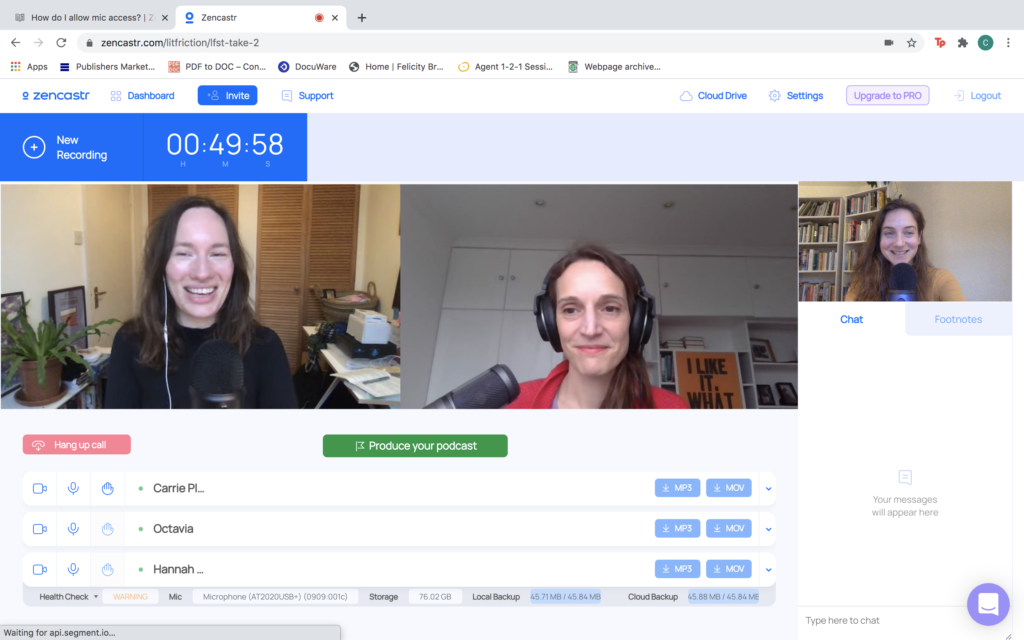
We’ve teamed up with Carrie Plitt and Octavia Bright, podcasters of exquisite taste and style and hosts of the award-winning Literary Friction to bring you the very special one-off minisode Inside Publishing with Hannah Westland from Serpent’s TailHannah Westland, Serpent’s Tail’s publisher since 2012, chats about the history, present and future of the imprint and what it means to be an independent publisher in 2021.

Listen on all platforms, including:

Acast

Spotify

Apple

You can hear Literary Friction’s previous interviews with our authors here: Carmen Maria MachadoMary GaitskillYelena MoskovichEsi EdugyanSarah Perry and find out more about the books discussed at our bookshop.org page. Look out for more birthday news and giveaways later this spring. #ST35

Posted on

Modern heroines for International Women’s Day 2021

You can trust us to publish books by, for and about dissenting women. Women who strive for change, who refuse to conform, who offer us a brand new way of looking at the world. In our picks below meet Libertie, Reese, Kim, the Essex Girl, Yona, the Black women and girls of 20th century America, and Nina.

Tell us who you’re reading for International Women’s Day – @serpentstail.


LIBERTIE
Kaitlyn Greenidge

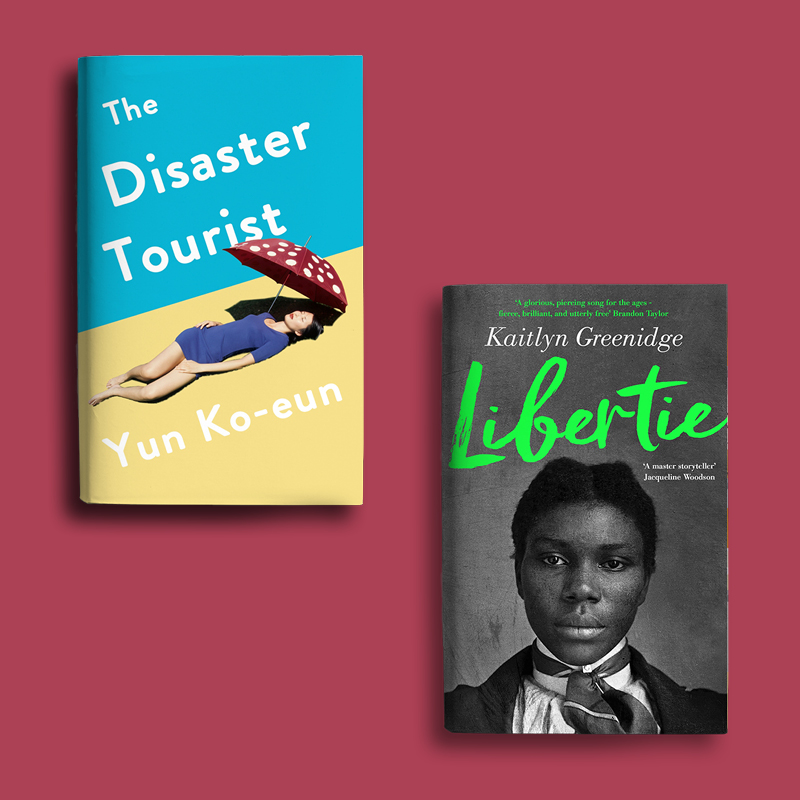
Coming of age as a free-born Black girl in Brooklyn after the Civil War, Libertie Sampson was all too aware that her purposeful mother, a practicing physician, had a vision for their future together: Libertie would go to medical school and practice alongside her. But Libertie, drawn more to music than science, feels stifled by her mother’s choices and is hungry for something else – is there really only one way to have an autonomous life? And she is constantly reminded that, unlike her mother who can pass, Libertie has skin that is too dark. When a young man from Haiti proposes to Libertie and promises she will be his equal on the island, she accepts, only to discover that she is still subordinate to him and all men. As she tries to parse what freedom actually means for a Black woman, Libertie struggles with where she might find it – for herself and for generations to come.

Get your copy


DETRANSITION, BABY
Torrey Peters

Reese nearly had it all: a loving relationship with Amy, an apartment in New York, a job she didn’t hate. She’d scraped together a life previous generations of trans women could only dream of; the only thing missing was a child. Then everything fell apart and three years on Reese is still in self-destruct mode, avoiding her loneliness by sleeping with married men.

When her ex calls to ask if she wants to be a mother, Reese finds herself intrigued. After being attacked in the street, Amy de-transitioned to become Ames, changed jobs and, thinking he was infertile, started an affair with his boss Katrina. Now Katrina’s pregnant. Could the three of them form an unconventional family – and raise the baby together?

Get your copy


CALL ME MUMMY
Tina Baker
(Viper Books)

THIS MOTHER’S DAY YOU WILL CALL HER MUMMY

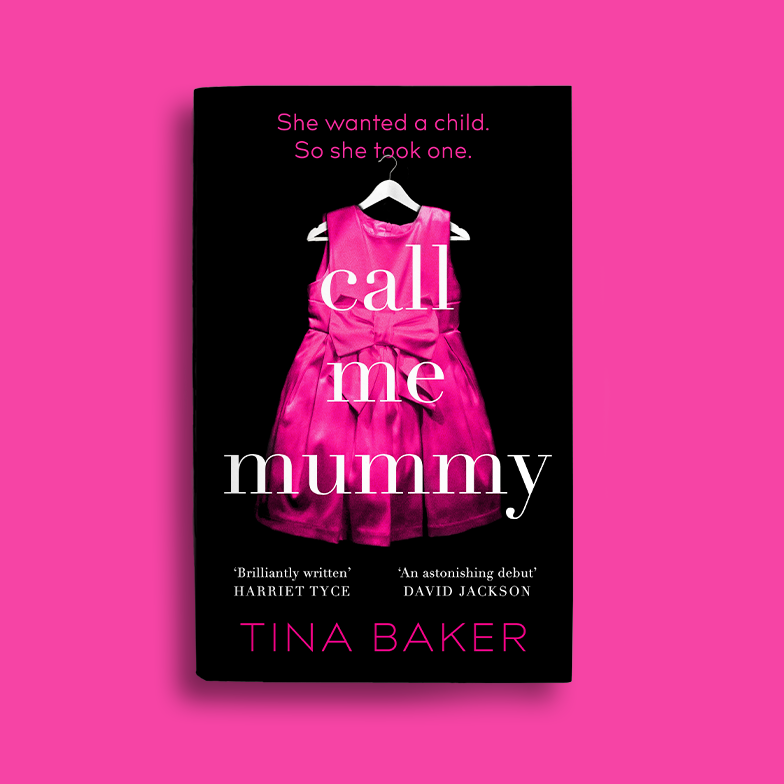
Glamorous, beautiful Mummy has everything a woman could want. Except for a daughter of her very own. So when she sees Kim – heavily pregnant, glued to her phone and ignoring her eldest child in a busy shop – she does what anyone would do. She takes her. But foul-mouthed little Tonya is not the daughter that Mummy was hoping for.

As Tonya fiercely resists Mummy’s attempts to make her into the perfect child, Kim is demonised by the media as a ‘scummy mummy’, who deserves to have her other children taken too. Haunted by memories of her own childhood and refusing to play by the media’s rules, Kim begins to spiral, turning on those who love her.

Though they are worlds apart, Mummy and Kim have more in common than they could possibly imagine. But it is five-year-old Tonya who is caught in the middle…

Get your copy


ESSEX GIRLS
Sarah Perry

Essex Girls are disreputable, disrespectful and disobedient.
They speak out of turn, too loudly and too often, in an accent irritating to the ruling classes.
Their bodies are hyper-sexualised and irredeemably vulgar.
They are given to intricate and voluble squabbling.
They do not apologise for any of this. And why should they?

In this exhilarating feminist defence of the Essex girl, Sarah Perry re-examines her relationship with her much maligned home county. She summons its most unquiet spirits, from Protestant martyr Rose Allin to the indomitable Abolitionist Anne Knight, sitting them alongside Audre Lorde, Kim Kardashian and Harriet Martineau, and showing us that the Essex girl is not bound by geography. She is a type, representing a very particular kind of female agency, and a very particular kind of disdain: she contains a multitude of women, and it is time to celebrate them.

Get your copy


THE DISASTER TOURIST
Yun Ko-Eun

Yona has been stuck behind a desk for years working as a programming coordinator for Jungle, a travel company specialising in package holidays to destinations ravaged by disaster. When a senior colleague touches her inappropriately she tries to complain, and in an attempt to bury her allegations, the company make her an attractive proposition: a free ticket for one of their most sought-after trips, to the desert island of Mui.

She accepts the offer and travels to the remote island, where the major attraction is a supposedly-dramatic sinkhole. When the customers who’ve paid a premium for the trip begin to get frustrated, Yona realises that the company has dangerous plans to fabricate an environmental catastrophe to make the trip more interesting, but when she tries to raise the alarm, she discovers she has put her own life in danger.

Get your copy


WAYWARD LIVES, BEAUTIFUL EXPERIMENTS
Saidiya Hartman

At the dawn of the twentieth century, black women in the US were carving out new ways of living. The first generations born after emancipation, their struggle was to live as if they really were free.

These women refused to labour like slaves. Wrestling with the question of freedom, they invented forms of love and solidarity outside convention and law. These were the pioneers of free love, common-law and transient marriages, queer identities, and single motherhood – all deemed scandalous, even pathological, at the dawn of the twentieth century, though they set the pattern for the world to come.

In Wayward Lives, Beautiful Experiments, Saidiya Hartman deploys both radical scholarship and profound literary intelligence to examine the transformation of intimate life that they instigated. With visionary intensity, she conjures their worlds, their dilemmas, their defiant brilliance.

Get your copy


GOOD MORNING, DESTROYER OF MEN’S SOULS
Nina Renata Aron

‘The disease he has is addiction,’ Nina Renata Aron writes of her boyfriend. ‘The disease I have is loving him.’ Their affair is dramatic, urgent – an intoxicating antidote to the lonely days of early motherhood. But soon, K starts using again. Even as his addiction deepens, she stays, thinking she can save him. It’s a familiar pattern, developed in an adolescence marred by family trauma – how can she break it? If she leaves, has she failed?

In this unflinching memoir, Aron shows the devastating effect of addiction on loved ones. She also untangles the messy ties between her own history of enabling, society’s expectations of womanhood and our ideas of love. She cracks open the feminised phenomenon of co-dependency, tracing its development from the formation of Al-Anon to recent research in the psychology of addiction, and asks uncomfortable questions about when help becomes harm, and when we choose to leave.

Get your copy

Posted on

Call Me Mummy: Q&A with Tina Baker

Have you wondered what inspired the author, Tina Baker, to write about stealing a child? Or maybe you’ve thought about how much of her own self she poured into her characters?

Or, you’re just itching to know what Tina’s next book is? (You and us both!).

Find all the answers, and more, below.

1. Call Me Mummy is your debut novel, and previously you spent years working in TV. What made you decide to start writing?
I’ve always written. At school I’d write stories and poems for myself, not just in English lessons. I kept it secret. It didn’t do to seem soft back there, back then. I was hit on the head with a chair when I entered a Cadbury’s chocolate writing competition. To add insult to actual injury, I didn’t win. I always wanted to write a novel but couldn’t find the time or head space to write fiction when I was a journalist. When my dad died, I finally decided to go for it and did my MA in Creative Writing at City University.

2. The characters of Kim and Mummy are so vivid, both flawed and relatable. Are they based on anyone in real life? Are there parts of your own personality in there?
The three main characters are all parts of me. Don’t hate me! Obviously, I’ve exaggerated because I haven’t actually stolen a child. Honest! I empathise with both Kim and Mummy, although I’m mainly Tonya. Kim’s friend Ayesha is based on the ladies I taught to keep fit at Finsbury Park Mosque.

3. In Call Me Mummy you explore how the media can turn on women who don’t conform to the ideals of motherhood. Why did you decide to include it in the novel?
I was horrified by the treatment of Madeleine McCann’s parents. As if losing a child’s not the worst thing in the world, you’re then crucified in the press. I never did much news reporting as a journalist, but I’ve read stuff that chills my blood. Even if the story’s balanced, people remember headline quotes like ‘Scummy Mummy’ which can ruin someone’s life. Woman can’t win in the media. We’re too fat, too thin, too confident, too bolshy— slammed for being a working mum or a stay-at-home mum. A man can turn up to the school gates with coke up his nose and a hooker on his arm and it’s like, ‘Bless! He’s come to collect the kids.’

4. Which crime writers most inspire you? Is there a book that you want to recommend to everyone?
I confess, I hadn’t read much crime until I was told I was a crime writer. Not one single Agatha Christie. Please don’t stone me in the street. I’ve now read a lot of my Viper colleagues’ work. Dave Jackson makes me laugh, Janice Hallett challenges my brain, Catriona Ward hooks my emotions. Shuggie Bain is the book that most touched me recently. The working class/underclass experience is very close to my heart. Not crime? What Thatcher did to Shuggie’s community was a bloody crime.

5. Can you tell us something about your next book? No spoilers!
Nasty Little Cuts explores those small niggles, resentments and cruelties that build and build within relationships, and then in highly charged situations like Christmas can erupt into something horrific. Bridget Jones meets Jack Reacher.


Tina Baker was brought up in a caravan after her mother, a fairground traveller, fell pregnant by a window cleaner. After leaving the bright lights of Coalville, she came to London and worked as a journalist and broadcaster for thirty years. She’s probably best known as a television critic for the BBC and GMTV. Call Me Mummy is Tina’s first novel.

You can follow the brilliant Tina Baker here.

Posted on

Announcing Kaitlyn Greenidge’s LIBERTIE

We are immensely excited to announce that we will publish LIBERTIE, the acclaimed second novel by American novelist and New York Times contributing writer Kaitlyn Greenidge.

LIBERTIE is the Roxane Gay Audacious Book Club pick for May 2021 and was named one of the most-anticipated books of the year by O, The Oprah MagazineThe MillionsRefinery29, Publishers LunchBuzzFeedThe RumpusBookPage and Harper’s Bazaar. The novel’s many fans include Jacqueline Woodson, Brandon Taylor, Garth Greenwell and Nafissa Thompson-Squires.

The novel is set in a richly-imagined 19th century New York and Haiti and was inspired by the fascinating life of Dr Susan Smith McKinney Steward, one of the first Black female doctors in the United States.

Kaitlyn Greenidge: ‘I am so excited to publish LIBERTIE with Serpent’s Tail. I feel honored to join the ranks of the brilliant writers they publish and I’m looking forward to the conversations I hope this novel will spark with readers.’

Rebecca Gray: ‘I’ve loved Kaitlyn Greenidge’s work since I read WE LOVE YOU, CHARLIE FREEMAN, so I’m thrilled she is joining Serpent’s Tail for LIBERTIE. It’s a stunning book about freedom, race, the hopes we have for our children and how history resonates through generations. We can’t wait to publish this historical novel by a star of contemporary fiction.’

Follow Kaitlyn @SurlyBassey on Twitter

Pre-order your copy at Bookshop.org, Waterstones or Amazon

ABOUT LIBERTIE:

Coming of age as a free-born Black girl in Brooklyn after the Civil War, Libertie Sampson was all too aware that her purposeful mother, a practising physician, had a vision for their future together: Libertie would go to medical school and practise alongside her. But Libertie, drawn more to music than science, feels stifled by her mother’s choices and is hungry for something else – is there really only one way to have an autonomous life? As she tries to work out what freedom actually means for a Black woman, Libertie struggles with where she might find it – for herself and for generations to come.

A NOTE ON THE COVER IMAGE

The striking cover portrait of an unidentified young Southern woman was suggested by Kaitlyn and is one of the historical artefacts that inspired LIBERTIE. It is from the Hugh Mangum archive at Duke University, a cache of negatives discovered in the photographer’s barn in the 1970s. They were taken between 1890 to 1922 in North Carolina, Virginia, and West Virginia and offer a unique survey of society at the time, cutting across race, class, and gender lines.

ABOUT KAITLYN GREENIDGE:

Kaitlyn Greenidge’s debut novel, We Love You, Charlie Freeman (Algonquin Books) was one of the New York Times Critics’ Top 10 Books of 2016. She has written for VogueGlamour and the Wall Street Journal, was a contributing editor for LENNY Letter and is currently a contributing writer for the New York Times. She has received fellowships from the Whiting Foundation, the National Endowment for the Arts and the Radcliffe Institute for Advanced Study and runs a popular newsletter. She tweets @surlybassey.


PRAISE FOR LIBERTIE:

‘This is one of the most thoughtful and amazingly beautiful books I’ve read all year. Kaitlyn Greenidge is a master storyteller.’ Jacqueline Woodson, author of Red at the Bone

‘In this singular novel, Kaitlyn Greenidge confronts the anonymizing forces of history with her formidable gifts. LIBERTIE is a glorious, piercing song for the ages—fierce, brilliant, and utterly free.’
Brandon Taylor, author of Real Life

‘Kaitlyn Greenidge has built a lush, imaginative novel, as dark and beautiful as its namesake yet as relevant today as during its 19th-century setting. I didn’t want it to end, and I fear that any attempt to render its complexity with brevity equals a failure to capture the book’s vast depth and its conversation with so many other important historical and literary works. A page turner and a gorgeous winner.’ Nafissa Thompson-Spires, author of Heads of the Colored People

‘The voice that fuels this novel is rooted in the body and rises toward myth, forged of history, ocean salt, iron, and hope. With LIBERTIE, Kaitlyn Greenidge adds an indelible new sound to American literature, and confirms her status as one of our most gifted young writers.’ Garth Greenwell, author of What Belongs to You and Cleanness


Posted on

The Essex Serpent Apple TV series coming 2022

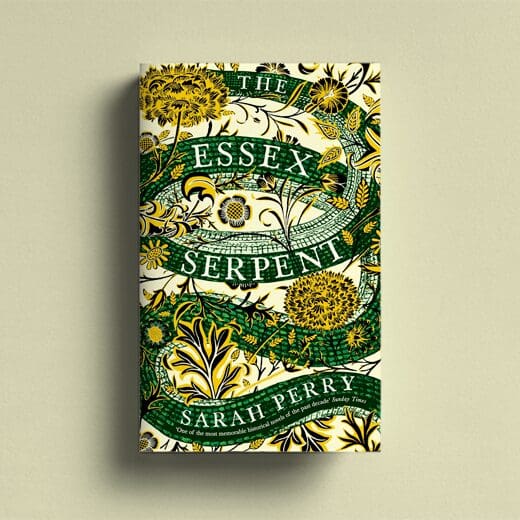
We’ve had news of the series coming for a while but more exciting news is here – Claire Danes has been cast as Cora, the leading role, and Tom Hiddleston as Will!

In The Essex Serpent, newly widowed Cora (Danes), having being released from an abusive marriage, relocates from Victorian London to the small village of Aldwinter in Essex, intrigued by a local superstition that a mythical creature known as the Essex Serpent has returned to the area.

Claire Danes is an Emmy, Golden Globe and SAG Award-winner (“Homeland,” “Temple Grandin”).  The series will be directed by Clio Barnard (“The Selfish Giant,” “The Arbor”). Anna Symon (“Deep Water,” “Mrs Wilson”) will serve as lead writer. Jamie Laurenson, Hakan Kousetta, Patrick Walters, Iain Canning, Emile Sherman will executive produce the show alongside Clio Barnard and Anna Symon. Andrea Cornwell will serve as producer.

The Essex Serpent will be produced for Apple TV+ by See-Saw Films, and is commissioned for Apple out of the UK by Apple’s Heads of Worldwide Video, Zack Van Amburg and Jamie Erlicht, and Creative Director for Europe Worldwide Video, Jay Hunt.

 Find out more at Variety

Buy your copy of The Essex Serpent

Posted on

In the Dream House shortlisted for Folio Prize

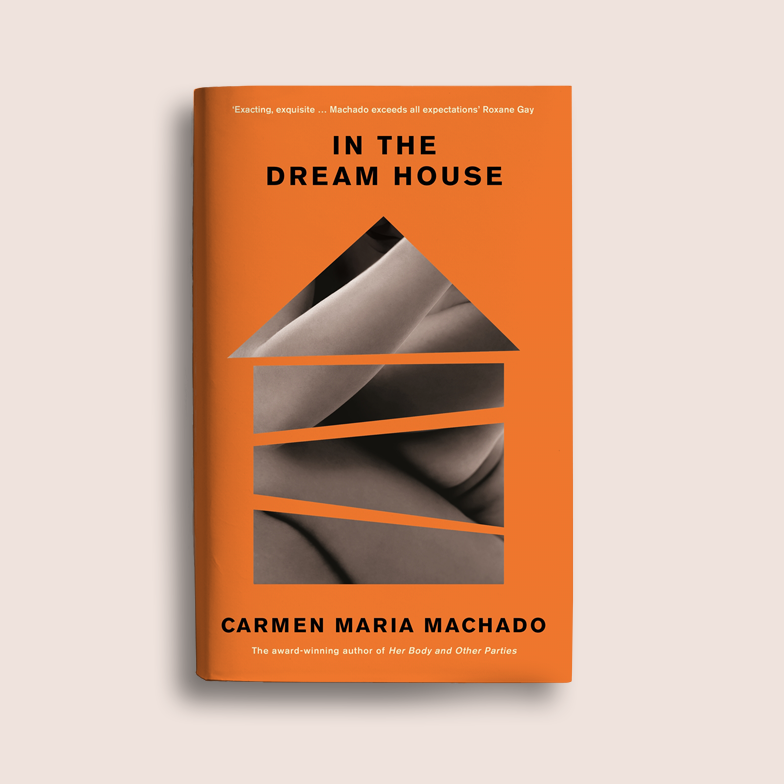
We are thrilled that Carmen Maria Machado’s In the Dream House has been selected for the 2021 Rathbones Folio Prize shortlist.

‘Ravishingly beautiful’ Observer
‘Excruciatingly honest and yet vibrantly creative’ Irish Times
‘Provocative and rich’ Economist
‘Daring, chilling, and unlike anything else you’ve ever read’ Esquire
‘An absolute must-read for 2020’ Stylist

SHORTLISTED FOR THE 2021 RATHBONES FOLIO PRIZE

In the Dream House is Carmen Maria Machado’s engrossing and wildly innovative account of a relationship gone bad. Tracing the full arc of a harrowing experience with a charismatic but volatile woman, this is a bold dissection of the mechanisms and cultural representations of psychological abuse.

Each chapter views the relationship through a different lens, as Machado holds events up to the light and examines them from distinct angles. She casts a critical eye over legal proceedings, fairy tales, Star Trek and Disney villains, as well as iconic works of film and fiction, infusing all with her characteristic wit, playfulness and openness to enquiry. The result is a powerful book that explodes our ideas about what a memoir can do and be.

Buy your copy


Posted on

Under the Blue: read an extract

‘A super-smart and relentlessly gripping addition to the eco-fiction genre, Under the Blue is by turns chilling, incisive, and casually hilarious. It also features one of the most convincing sentient-AI characters in recent fiction’ Sandra Newman, author of The Heavens

A road trip beneath clear blue skies and a blazing sun: a reclusive artist is forced to abandon his home after a mysterious plague sweeps the nation. He is followed by his neighbour and her sister, who have a plan: to leave the country and travel across Europe to Africa, where it’s said to be safe.

Meanwhile two computer scientists have been educating their baby in a remote location. Their baby is called Talos, and he is an advanced AI program. Every week they feed him data, starting from the beginning of written history, era by era, and ask him to predict what will happen next to the human race. At the same time they’re involved in a increasingly fraught philosophical debate about Talos’ existence: is building an AI for the purpose of predicting threats to human life an ethical – or even worthwhile – pursuit?

These two strands come together in a way that is always suspenseful, surprising and intellectually provocative: this is an extraordinarily prescient and vital work of fiction – an apocalyptic road novel to frighten and thrill.

Read an extract from the opening chapter below.

Pre-order your copy


It has never taken him this long to finish a project. The problem, he knows, is that he wants too much from this one painting. She’s like a woman, the canvas: you cannot approach her in despair. She has to know that you are free to walk away. You do not come to her begging, reeking of guilt.

He has stepped back from the canvas, meaning to take it in from a distance, when he sees on the road outside his studio a man and a woman, both wearing gas masks, both loaded with suitcases and backpacks. They throw their luggage into the boot of a car and take off with a screech.

Gas masks?

He brings a hand to his forehead, makes an effort to step out of himself, to focus on the matter at hand. To make sense of what he sees.

How long has it been since he last spoke to someone?

‘In light of recent events …’ last week’s text had started, the one from the course administrator that informed him his classes were cancelled. He assumed … What did he assume?

He sits in front of the canvas, frozen, for a long time. No action seems adequate or desirable. He finally stirs when he hears noises on the landing. He goes to the door and looks through the peephole. Nothing at first, then Twenty-Two comes rushing along, fumbling with her keys, dropping them. She is sobbing, and when she unlocks her door she almost falls into her flat.

He steps back from the peephole, looks down at his bare feet. He has taken off his shoes and socks because of the heat. His toes are rosy-pale and dainty, clinging uncertainly to the cool tiles. The whole of him, that’s what he feels like all of a sudden. Unshod, exposed, unprepared.

He takes a few steps towards the living room, intending to turn on the TV, but then, remembering the power cut, he reaches for the light switch, jiggles it up and down. The light bulbs stay dark. Weakly, he wanders around the flat looking for his mobile. He last checked it a couple of days ago. His phone is old and dumb, but its battery lasts ages.

He finds it on a shelf in the hallway. It still shows one bar.

He slides down along the wall and sits on the floor. Who to call? He tries his friend David, gets an unavailable message, then Matt at the gallery, whose phone rings and rings. He tries two more numbers and finally, desperately, the course administrator at the Academy, the last person to contact him. He hears a scratching noise and thinks what’s-her-name has picked up. ‘Hello!’ he shouts. When there’s no reply, he looks at the screen. The phone has died.

He remembers the deserted reception desk downstairs, the empty streets, the homeless person asking him where everyone’s gone. The neighbours with the gas masks.

People have left. Whatever happened, it has chased people out of their homes.

That thought triggers something in him, and he finally acts with some urgency. The first thing he does is go to the studio and throw brushes, paints, solvent, canvas roll, a sketchbook into a plastic bag. He touches the canvas, knowing what he’ll find. There’s the skin, but underneath that the paint is wet. No way can he roll it.

He wonders how late he is.

He empties the fridge and the cupboards of food, puts pasta, sliced ham, tomato soup, frozen chicken thighs, tinned mackerel and baked beans in Tim’s old gym bag. There is already some food at the cottage; when he last left the cupboards were full of cans. He stands looking at the kitchen tap, considers taking drinking water. He remembers that the cottage is five minutes away from a stream, and moves on to the bedroom.

He starts packing clothes, but by now he’s lost the capacity to concentrate and just stuffs anything he comes across into a suitcase. He should have sat down and made a list.

Before he sets off, he pauses outside Twenty-Two’s flat and knocks on the door.

‘Hello,’ he says. He rings the doorbell. He thinks he can hear footsteps, feels she’s just beyond the door.

‘Do you need help?’ He tries to say this loud enough so she can hear, but without shouting.

Back in his flat, he tears out a page from a notebook and writes down the Devon address. ‘Harry (flat 23)’, he signs. He pushes it under her door.

He makes three trips to the underground car park, the last one with a bag full of wine bottles. The parking lot is even emptier than usual. He breathes heavily; remembering the couple with the gas masks, he has tied a scarf around his mouth and nose. He resists the childish, stupid impulse to sniff the air. On his windscreen, there’s an A4 flier showing a dotted map of Europe; it says ‘CONTAMINATION MAP’ at the top. He throws it in the car, he will make sense of it later.

As he drives off, the things he forgot to pack come to him in a neat list: razors, soap, loo roll, phone charger, lighter, any kind of medication. Drinking water for the trip.


Posted on

Five Books for Your 2021 LGBTQ+ History Month TBR

Our intern Georgia Popplett picks five books for LGBTQ+ History Month 2021. Follow her at @GeorgiaPoplett

As the anniversary of the first UK lockdown approaches, what better time to explore all the rich and varied modes of being as celebrated by LGBTQ+ History Month?

While contemporary queer expression has carved out a unique cultural space today, on the flip side of current (very necessary) social distancing rules are the brutal homophobic laws which prohibited queer contact up until the late twentieth century. This context makes LGBTQ+ History Month 2021 an opportunity to reflect on queer experience in unusually striking circumstances.

Here are 5 LGBTQ+ titles for the top of your LGBTQ+ History Month pile – no 2m rule required.

All books are available online via the links below. For all our latest news and new non-fiction reads, join our newsletter.


In the Dream House by Carmen Maria Machado

Recently shortlisted for the Rathbones Folio Prize, In the Dream House is an inimitable and vital account of abuse in a lesbian relationship. Machado reframes queer domestic violence through a kaleidoscope of genres, bound together by a part-memoir, part-essay haunted house structure. Described variously as a ‘genre-bending queer gothic memoir’[1], Machado’s work will stay with you long after February 2021.

Get your copy

Detransition, Baby by Torrey Peters

The first book by a trans woman to be released by a major publishing house, Detransition, Baby is an unflinching portrait of the realities of being trans in all forms. When Ames – formerly Amy – discovers his boss Katrina is pregnant, he contacts ex-lover Reese and asks if she would join him in parenting their child. Ames has detransitioned, Reese is trans, Katrina is cis; but the tension in Detransition, Baby does not come from trans-vs-cis ideologies. Hailed by The Guardian as ‘the first great trans realist novel’[2], Peters moves mesmerisingly between typification and bold reconfiguration of what trans means.

Get your copy

Wayward Lives, Beautiful Experiments: Intimate Histories of Riotous Black Girls, Troublesome Women and Queer Radicals by Saidiya Hartman

Wayward Lives, Beautiful Experiments is a stunning anthology of Black, feminist, and queer experiences in Philadelphia and New York at the turn of the twentieth century. Through the eyes of a chorus of characters drawn from archival imagination, Hartman interrogates the mythology of ‘nowhere’ – the slum; the ghetto; the in-between spaces beyond the confines of societal norms. As many people of colour redefined the meaning of freedom during the era, Hartman examines how this interacted with young women’s expanding parameters: of labour, of love, and of life itself.

Get your copy

A Ruined Girl by Kate Simants

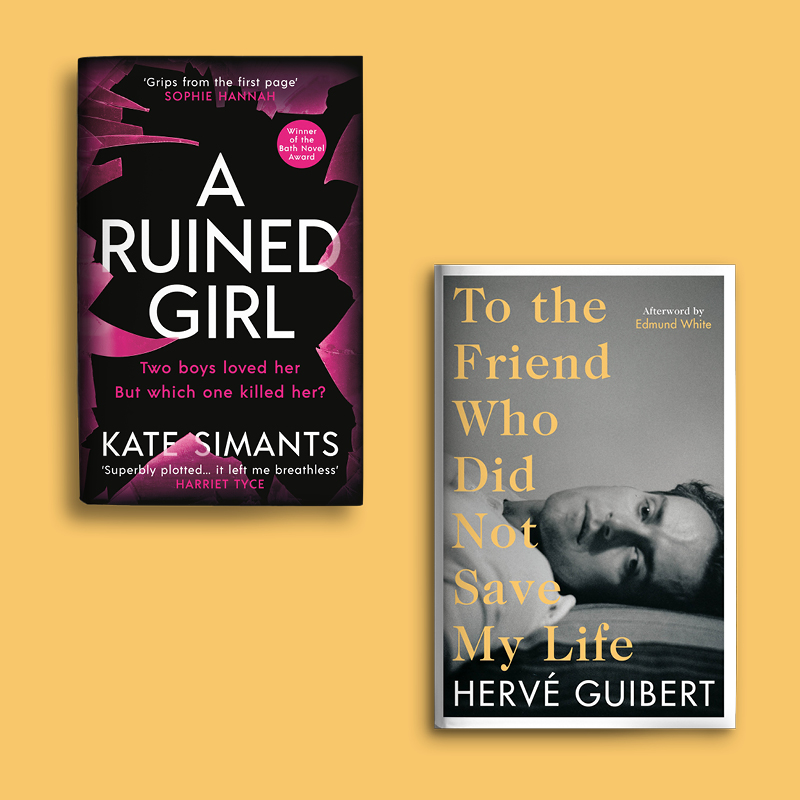
Kate Simants’s psychological crime thriller may be an unexpected addition to this list, but it is a good one: while protagonist Wren Reynolds deals with a major missing girl plot, she is also expecting a new baby with her wife. When a prime suspect in the case is paroled, probation officer Wren’s personal and professional lives collide with unforeseen consequences for all involved. Winner of the Bath Novel Award 2019, A Ruined Girl is an unputdownable drama about a broken care system with an LGBTQ+ undercurrent.

Get your copy

To the Friend Who Did Not Save My Life by Hervé Guibert
To the Friend Who Did Not Save My Life is a blackly comic masterpiece which is as heart-shredding as it is humorous. First published in 1990, the novel narrates three months in the life of a man diagnosed with AIDS, bearing witness to his physical and emotional decline. After the death of his friend Muzil, the narrator consults doctor after doctor, seeking answers in medication and alternative healing. Guibert died at 36 the year after the book’s initial publication. In arch, candid prose, his work is a searing testament to his life and character. This edition is translated by Linda Coverdale and published in July.

Pre-order your copy

[1] https://www.huckmag.com/art-and-culture/books-art-and-culture/carmen-maria-machado-on-lockdown-utopias-and-writing/

[2] https://www.theguardian.com/books/2021/jan/07/detransition-baby-by-torrey-peters-review-a-comedy-of-manners#:~:text=Perhaps%20Detransition%2C%20Baby%20is%20the,structural%20conventions%20of%20literary%20realism.

Posted on

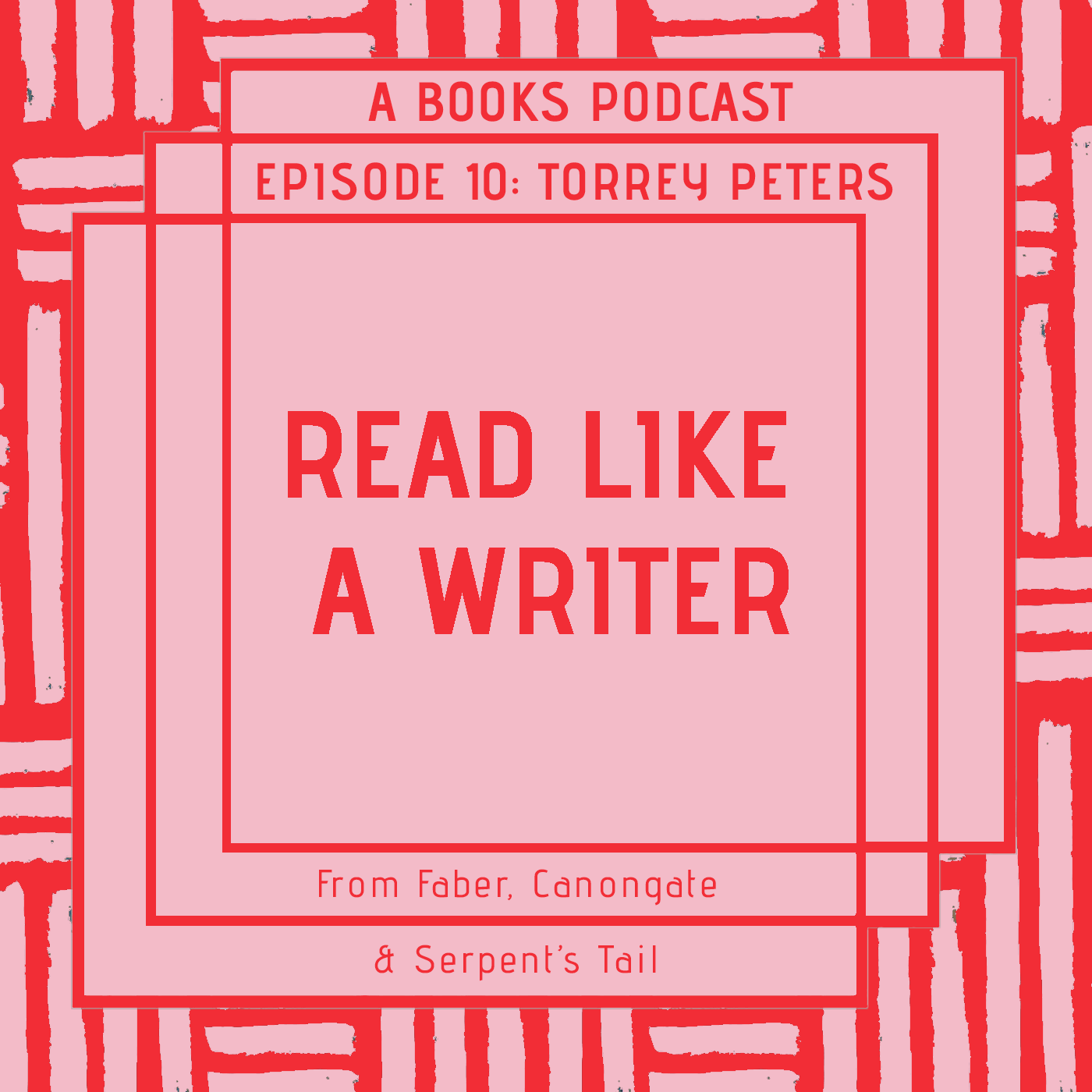
Read Like a Writer podcast – Season 2

Season 2 of our books podcast with Faber and Canongate has launched today with Detransition, Baby author Torrey Peters being interviewed by our brilliant host Anna Fielding. Their riveting conversation covers trans writing, the books that have influenced Torrey the most, and her favourite Brooklyn bookshop.

Later episodes in the series are set to feature Salena Godden, Cat Ward, Leone Ross and Emma Jane Unsworth.

Follow @readlikeapod on Twitter

You can download on your usual podcast platform. Happy listening!

Acast: https://play.acast.com/s/readlikeawriter/10-torreypeters
Apple: https://podcasts.apple.com/gb/podcast/10-torrey-peters/id1432450717?i=1000506961172
Spotify: https://open.spotify.com/episode/49fBP3U1A91OB6JGSsmbOd?si=VkE0IIXJT22Q225kh54jQg

Posted on

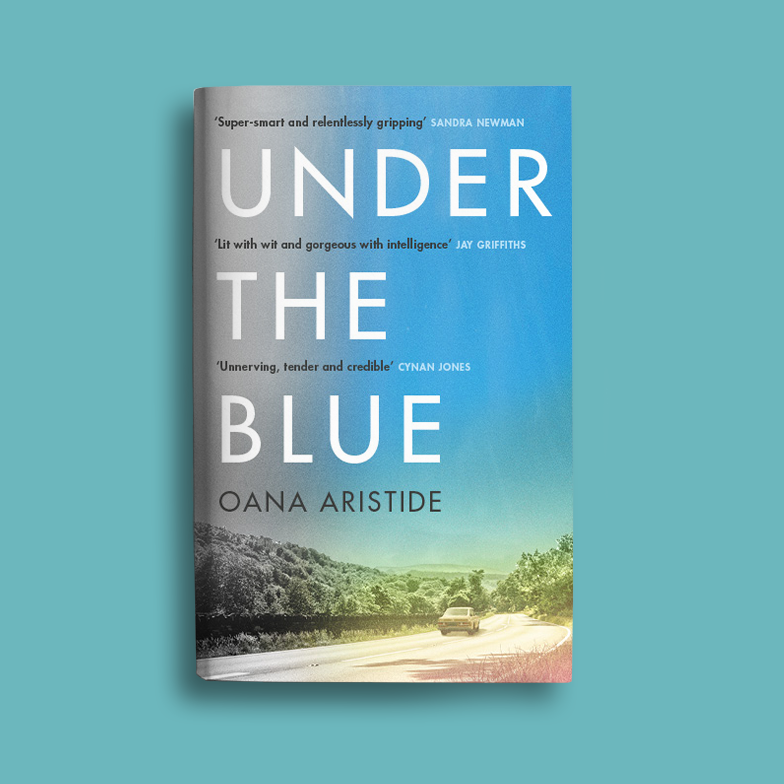
Announcing Oana Aristide’s Under the Blue

A literary thriller about a pandemic, the rise of AI, and how – or why – we might save the human race.
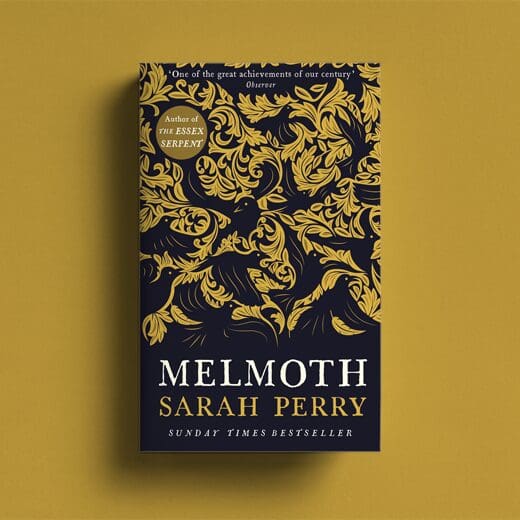
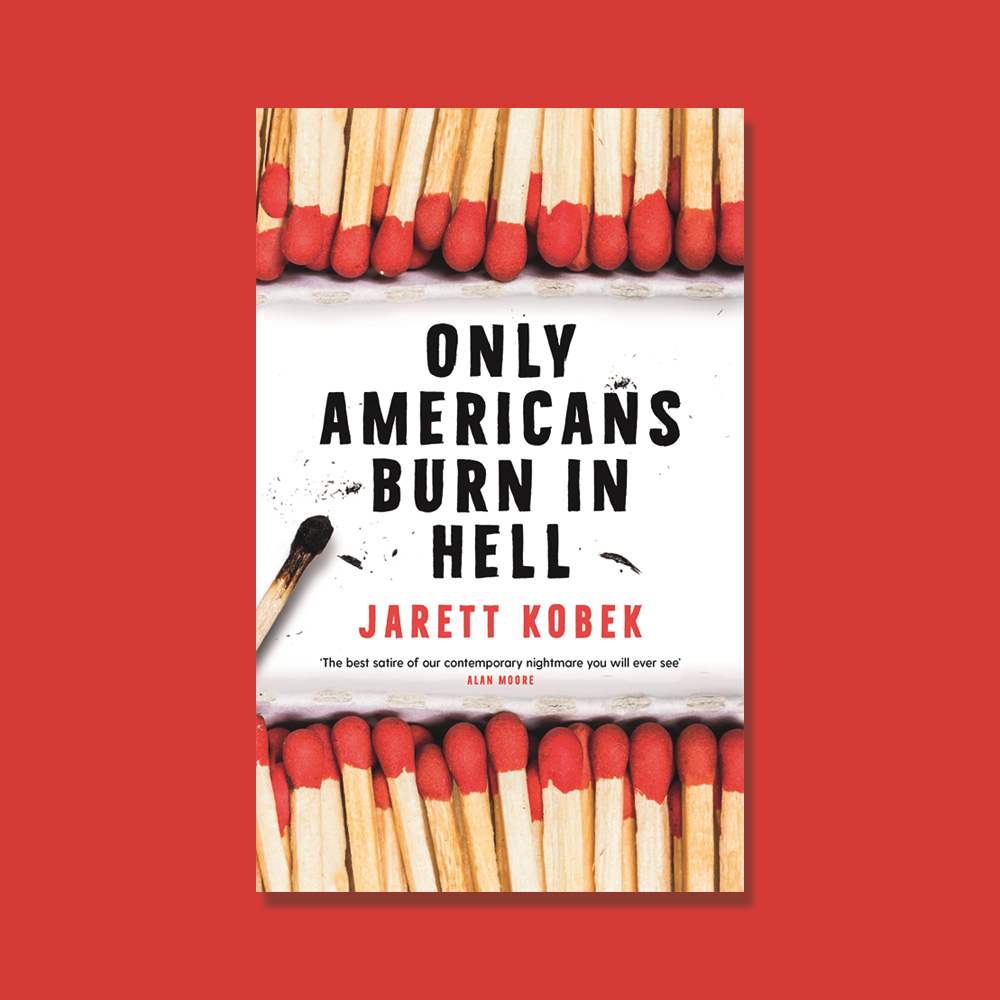
A road trip beneath clear blue skies and a blazing sun: a reclusive artist is forced to abandon his home and follow two young sisters across a post-pandemic Europe in search of a safe place. Is this the end of the world?

Meanwhile two computer scientists have been educating their baby in a remote location. Their baby is called Talos, and he is an advanced AI program. Every week they feed him data, starting from the beginning of written history, era by era, and ask him to predict what will happen next to the human race. At the same time, they’re involved in a increasingly fraught philosophical debate about why human life is sacred and why the purpose for which he was built – to predict threats to human life to help us avoid them – is a worthwhile and ethical pursuit.

These two strands come together in a way that is always suspenseful, surprising and intellectually provocative: this is an extraordinarily prescient and vital work of fiction – an apocalyptic road novel to frighten and thrill.

Serpent’s Tail will publish Under the Blue as a £14.99 hardback in March 2021.

Pre-order your copy

Advance Praise for Under the Blue

‘A book of insight and foresight, lit with wit and gorgeous with intelligence’, Jay Griffiths, author of Wild: An Elemental Journey and Why Rebel

‘A super-smart and relentlessly gripping addition to the ecofiction genre, Under the Blue is by turns chilling, incisive, and casually hilarious. It also features one of the most convincing sentient-AI characters in recent fiction, ’Sandra Newman, author of The Heavens 

Under the Blue is a novel with a terrible beauty. Oana Aristide gives us so much to think about: environmental destruction, the melting of the polar ice, eco-terrorism, but all within a heart-stopping story of three survivors travelling through Europe alone. I couldn’t look away,’ Claire Fuller, author of Bitter Orange

‘Extraordinary … it is ostensibly a compelling, addictive post-apocalyptic thriller, but also a ferociously intelligent examination of artificial intelligence, a highly accomplished treatise on the function of art, and a lyrical, moving, vitally urgent plea for expanded ecological awareness. It is a book with the force of prophecy,’ Niall Griffiths, author of Broken Ghost

‘Terrifying but hopeful, smart, vital and urgent: the ultimate must-read, ’Charles Foster, author of Being a Beast

‘Highly readable and chilling. Threads together a pandemic storyline with the implications of AI in a way that is very intriguing and especially relevant today,’ Mark Lynas, author of Our Final Warning: Six Degrees of Climate Emergency

Under the Blue fuses the ‘keep moving’ urgency that drives apocalyptic road novels with a restrained love story and a science fiction that is at once unnerving, tender and credible’ Cynan Jones, author of The Dig

‘Chillingly evocative and relentlessly unsettling,’ Christopher Brookmyre, author of Fallen Angel

About Oana Aristide

Oana was born in Transylvania, to parents of Romanian, Greek and Yemeni background. After the fall of communism the family emigrated to Sweden. Oana has worked in the City of London as a macroeconomist, and as an advisor to the Romanian prime minister, but since 2018 she has lived on a Greek island, converting a heritage villa into a hotel.

Follow Oana on Twitter

Posted on

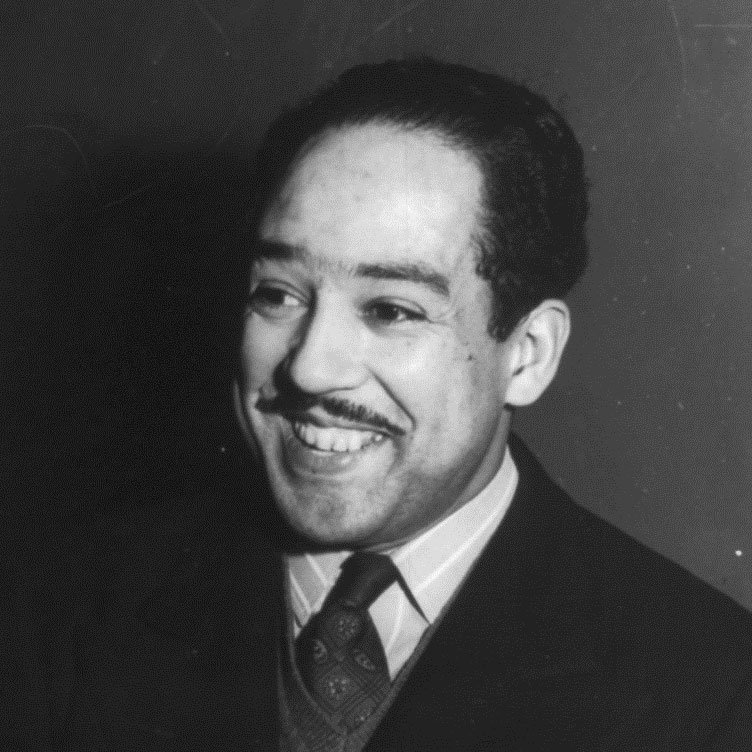
Black History Month Spotlight: Langston Hughes

For Black History Month, we’re flooding our news feed with profiles of our black authors, past and present. In the fifth of the series, we take an excerpt from the multi-prizewinning young poet Kayo Chingonyi’s introduction to Langston Hughes’ Selected Poems, republished this year in our Classics series.

Follow @kayochingonyi on Twitter


THE SONG – AN INTRODUCTION TO LANGSTON HUGHES

Kayo Chingonyi

It is appropriate that my first meeting with the work of Langston Hughes wasn’t in the pages of a book but in Gary Bartz’s rendition of ‘The Negro Speaks of Rivers’, a song I heard while listening to Gilles Peterson’s Worldwide Show on Radio 1 sometime in the early 2000s, when, at fourteen or fifteen years old, it was my habit to record songs from the radio on to my favoured TDK D 90 Type 1 audio cassettes. I sat there, finger primed on the pause button and, when I heard the soaring notation, I let the pause button go to record what came next.

The words in the singer’s mouth had a swing not unlike someone walking down a street in Harlem, with that borough’s famous élan (though, don’t tell Brooklyn I said that). What did it mean to ‘know rivers’, I thought? So began my kinship with Langston; one of the enduring dialogues of my reading life. He was there at that xiii crucial point when my sense of self began taking shape and later, when I was an undergraduate in English Literature, searching the supplementary anthology of a module entitled ‘Introduction to Advanced Literary Studies’ for names I recognised, there he was again, like the nameless protagonist of his much anthologised poem speaking of continuity, ‘the/ flow of human blood in human veins’.

It would be remiss of me here to brush past the quieter poems in Hughes’s oeuvre, those that a volume such as this – reflecting the poems Hughes himself wished to preserve – brings into such sharp relief. I want, then, to offer my hand, dear reader, and take you for a walk around Langston’s poems.

There is an important sense in which Langston is a blues poet, and indeed many of the poems in this volume reflect that in their titles, but there is another part of the blues that Langston brought into his poems: an attunement to the nuances of spoken language and African-American vernacular English most especially:

They done took Cordelia
Out to stony lonesome ground.

‘Stony Lonesome’

Snow has friz me, sun has baked me.
Looks like between ’em
They done tried to make me
Stop laughin’, stop lovin’, stop livin’—

‘Still Here’

Buy your copy of Selected Poems from your local independent bookshop or: Waterstones | Amazon | Hive